
Ah, the floor. It’s the unsung hero of our homes, silently supporting our every step, our clumsy spills, and our midnight snack raids. But when it comes to choosing home flooring options, suddenly this silent supporter becomes a very loud decision-maker. We’ve all been there, staring at endless samples, feeling like we need a degree in material science and an interior design certificate just to pick something for the living room. Don’t panic! Think of me as your slightly-caffeinated, hopefully-amusing guide through the sometimes-bewildering world of what goes underfoot. We’re not just talking about covering the concrete; we’re talking about creating the foundation for your life.
Is Your Lifestyle Demanding a Floor Upgrade?
Before we dive headfirst into the glorious world of laminate vs. luxury vinyl, let’s have a little heart-to-heart. What exactly is your floor going to be doing all day? Are you wrangling toddlers and a golden retriever who thinks muddy paws are a fashion statement? Or are you more of a ‘take-your-shoes-off-and-never-touch-them-again’ kind of person?
The High-Traffic Hero: If your home resembles Grand Central Station, you need something that can take a beating and still look fabulous. Think durability, scratch resistance, and ease of cleaning.
The Spill Magnet: Got pets? Kids prone to projectile juice boxes? You’ll want a material that laughs in the face of moisture and stains.
The Style Statement: Sometimes, the floor is the statement. Are you aiming for cozy warmth, sleek modernism, or something in between?
The Budget Ballet: Let’s be honest, our wallets have feelings too. Finding home flooring options that balance dreams with dollars is key.
Understanding these crucial aspects will help us navigate the vast ocean of choices.
Hardwood: The Timeless Charmer (with a Few Quirks)
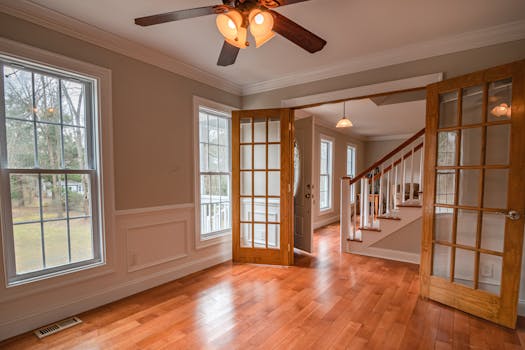
Ah, hardwood. It’s the stuff of magazine spreads and cozy cabin dreams. There’s an undeniable warmth and elegance that solid wood brings to any space. It can be refinished multiple times, meaning a scratch from Fido’s enthusiastic greeting doesn’t have to be a death sentence.
#### Solid vs. Engineered: The Great Debate
This is where things get a little technical, but it’s important.
Solid Hardwood: This is the real deal – a plank of pure, unadulterated wood. It’s beautiful, can be sanded and refinished many times, and adds significant value to your home. However, it’s sensitive to moisture and temperature fluctuations, so it’s generally not the best choice for basements or bathrooms.
Engineered Hardwood: This clever construction involves a thin layer of real wood veneer on top of multiple layers of plywood or fiberboard. It’s more stable in humid environments and less prone to warping than solid hardwood. While it can still be sanded and refinished, it’s usually only a couple of times, depending on the veneer thickness.
My personal take? For a main living area where you want that classic charm and a touch of luxury, both are fantastic. But if you’re flirting with the idea of installing it in a slightly more adventurous climate (read: humid basement), engineered might be your saviour.
Laminate & Luxury Vinyl Plank (LVP): The Durable Dynamos
These two often get lumped together, and for good reason. They offer a fantastic blend of durability, affordability, and impressive realism. They’re the workhorses of modern home flooring options, and they’ve come a LONG way from those… interesting wood-look laminates of the 90s.
#### Laminate: The Budget-Friendly Impersonator
Laminate flooring is essentially a photographic image of wood (or stone, or tile) sealed under a protective wear layer. It’s incredibly durable, scratch-resistant, and budget-friendly. It’s also relatively easy to install, making it a popular DIY choice.
The Good: Tough, affordable, wide variety of designs, easy to clean.
The “Hmm…”: It’s not waterproof (though some newer versions are water-resistant), and it can sound a bit hollow when walked on without a good underlayment. Also, if that top layer gets deeply scratched or damaged, there’s no refinishing it – you replace the plank.
#### Luxury Vinyl Plank (LVP): The Water-Proof Wonder
LVP has really stolen the show in recent years, and it’s easy to see why. It’s typically constructed with multiple layers, including a waterproof core, a printed design layer, and a protective wear layer. This makes it incredibly resilient to spills, moisture, and daily wear and tear.
The Superpowers: 100% waterproof, highly durable, realistic wood- or stone-looks, comfortable underfoot, and often very easy to install (click-lock systems are a dream!).
The Slight Caveat: While durable, it can be susceptible to deep scratches from very heavy furniture or sharp objects. Also, unlike hardwood, it can’t be refinished.
My professional opinion? LVP is a game-changer, especially for kitchens, bathrooms, and basements. If you’re looking for a practical yet stylish solution that can handle life’s little accidents, this is your champion.
Tile: The Elegant Endurance Athlete
Ceramic and porcelain tile have been around forever, and for good reason. They are incredibly durable, water-resistant, and offer a vast array of design possibilities. From rustic terracotta to sleek modern porcelain, tile can fit almost any aesthetic.
#### Ceramic vs. Porcelain: What’s the Difference?
Ceramic Tile: Made from clay that’s fired in a kiln. It’s a great option for most areas, including bathrooms and kitchens, but it can be more prone to chipping than porcelain.
Porcelain Tile: Made from denser, finer clay and fired at higher temperatures, making it harder and less porous than ceramic. This makes it exceptionally durable and virtually waterproof, ideal for high-traffic areas, outdoor spaces, and even showers.
The upside: Tile is incredibly easy to clean and immune to water damage. It’s also hypoallergenic.
The downside: It’s hard underfoot, can be cold, and grout lines can require regular cleaning and sealing to prevent staining. Oh, and dropping something heavy? That’s often a recipe for a broken tile (and maybe a broken egg).
Beyond the Big Three: Other Home Flooring Options to Consider
While hardwood, laminate, and LVP tend to dominate the conversation, let’s not forget some other fantastic contenders that might be perfect for specific spaces or unique styles:
Natural Stone: Think marble, granite, slate, or travertine. These offer unparalleled natural beauty and longevity, but come with a premium price tag and can require sealing and specialized care. They are also susceptible to staining and etching from acidic substances.
Bamboo: A rapidly renewable resource, bamboo flooring offers a unique look and is surprisingly durable. It can be a good eco-friendly option.
Cork: Naturally insulating, soft underfoot, and eco-friendly. Cork floors are excellent for reducing noise and are comfortable for standing. They do require sealing to protect against moisture and stains.
Finding Your Perfect Fit: A Final Word
Choosing home flooring options is a journey, not a destination. It’s about balancing aesthetics with practicality, durability with your budget, and ultimately, creating a space that feels like you*. Don’t be afraid to mix and match materials in different rooms. A stunning hardwood in the living room might lead to a resilient LVP in the kitchen, and that’s perfectly okay!
Ultimately, the “best” flooring is the one that best suits your lifestyle, your budget, and your personal taste. So, step off the fence, embrace the possibilities, and get ready to walk on something wonderful. Your feet (and your home’s resale value) will thank you.